Get private, one-on-one pelvic floor physiotherapy in North York to help with bladder leakage, pelvic pain, pelvic pressure, and postpartum recovery. Your care plan includes a detailed assessment, personalized treatment, and guided exercises to help you feel stronger and more confident in daily life
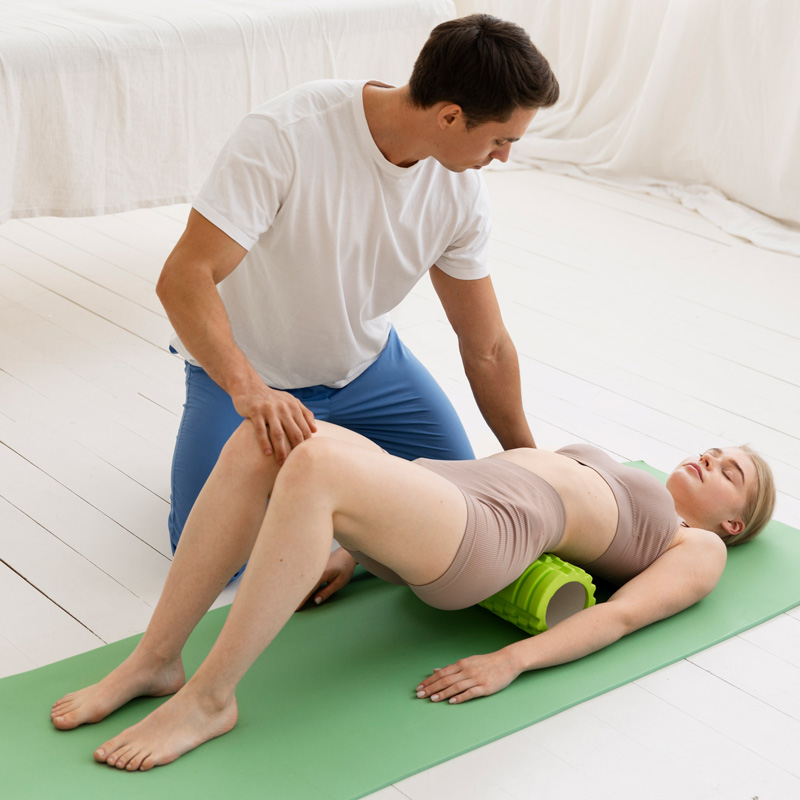
Pelvic floor physiotherapy in North York is a specialized area of physiotherapy focused on improving how your pelvic floor muscles work. These muscles support the bladder, uterus (or prostate), and bowel, and they play an important role in core stability, bladder and bowel control, and sexual function.
When the pelvic floor becomes weak, tight, or out of sync with breathing and core muscles, you may notice symptoms like urinary leakage, urgency, pelvic pain, pelvic pressure, constipation, or discomfort during exercise and daily activities. Pelvic floor therapy helps retrain strength, relaxation, coordination, and control using a personalized plan that may include education, guided exercises, breathing strategies, posture and core training, and hands-on techniques when appropriate.
Pelvic floor physiotherapy in North York can make a real difference in daily comfort, confidence, and movement. By improving pelvic floor strength, relaxation, and coordination (and how it works with your breathing and core), pelvic floor therapy can reduce symptoms and help you feel more in control of your body.
• Better bladder control and fewer leaks (especially with coughing, sneezing, laughing, or exercise)
• Improved bowel control and support for constipation or difficulty emptying
• Reduced pelvic pain, pressure, or heaviness that affects daily activities
• Stronger core support for posture, stability, and safer lifting and movement
• Smoother postpartum recovery, including gentle core rehab and return-to-activity guidance
• Support for pelvic organ prolapse symptoms through targeted exercises and load-management strategies
• More comfort and confidence with intimacy by addressing tension and coordination issues
• Practical strategies for long-term pelvic health, including breathing, habits, and a home program
With a personalized plan and guided exercises, pelvic health physiotherapy in North York can help you return to the activities you enjoy—without unnecessary discomfort, worry, or limitations.
Pelvic floor physiotherapy in North York can help with a wide range of concerns that affect daily comfort, confidence, and quality of life. Symptoms may build gradually over time (from stress, posture, training, hormonal changes, or aging) or show up after life events such as pregnancy, childbirth, surgery, or injury.
When the pelvic floor muscles become weak, tight, or poorly coordinated with your breathing and core, you may notice issues like leakage, urgency, pelvic pain, pressure/heaviness, constipation, or discomfort with movement and intimacy. With a personalized assessment and targeted treatment plan, pelvic health physiotherapy in North York focuses on restoring strength, relaxation, and control—so you can move and live with more ease.
Pelvic floor physiotherapy can help reduce urine leakage with coughing, sneezing, laughing, running, or lifting (stress incontinence), as well as urgency and frequent trips to the bathroom (urge incontinence). Treatment often includes bladder strategies, pelvic floor retraining, breathing coordination, and a tailored exercise plan.
Pelvic pain can feel like aching, burning, pressure, or sharp discomfort in the pelvic region, hips, groin, or tailbone. Pelvic floor therapy may help by improving muscle relaxation, reducing tension, and restoring coordination with the core and diaphragm—using education, guided exercises, and hands-on techniques when appropriate.
Symptoms of prolapse may include pelvic heaviness, pressure, or a “bulge” sensation that worsens with standing, lifting, or long days. Pelvic floor physiotherapy supports symptom management with safe strengthening, pressure management, posture and breathing strategies, and activity modifications that protect the pelvic floor.
After birth, it’s common to experience weakness, heaviness, leakage, core instability, or discomfort. Postpartum pelvic floor physiotherapy can guide a safe return to daily activities and exercise with pelvic floor retraining, core rehab, scar support when needed, and progressive strengthening based on your recovery stage and goals.
Prenatal pelvic floor physiotherapy focuses on preparing your body for pregnancy changes and delivery. This may include breathing mechanics, pelvic and hip support, pelvic floor relaxation and control, strategies for pushing, and guidance for common concerns like pelvic pressure, back/hip pain, and leakage.
Pelvic floor dysfunction can contribute to constipation, straining, difficulty emptying, or bowel leakage. Pelvic health physiotherapy may help by improving pelvic floor coordination, teaching effective bowel habits and positioning, and building strength or relaxation where needed.
Discomfort during intimacy is often linked to pelvic floor tension, sensitivity, or poor muscle coordination. Pelvic floor therapy can help improve comfort through education, relaxation training, gentle desensitization strategies, breathing work, and a progressive plan designed around your comfort level.
Pelvic floor physiotherapy can support recovery after surgeries that affect the abdomen or pelvis (for example, certain gynecologic or prostate-related procedures). Rehab typically focuses on restoring mobility, rebuilding core and pelvic floor control, reducing leakage where present, and returning safely to work, exercise, and daily life.
Whether your symptoms are new or have been present for years, pelvic floor therapy in North York offers private, personalized care to help you feel stronger, more comfortable, and more confident in your body.
We’ll review what you’re noticing (leakage, urgency, pelvic pain, pressure, constipation, postpartum changes, or discomfort with activity), your medical history, daily habits, and what you want to return to—exercise, work, sleep, and confidence.
Pelvic health is connected to your breathing and core. We may look at posture, breathing patterns, hip and low-back mobility, and how your core and pelvic floor work together during basic movements.
If a pelvic floor exam is recommended, your therapist will explain why and what it involves. An internal exam is never mandatory—you can decline or pause at any time. In many cases, treatment can begin with education, external assessment, breathing strategies, and guided exercises.
Most people start with a simple home program and practical strategies (bladder habits, bowel positioning, breathing, and core coordination). Your plan is tailored to your symptoms, comfort level, and lifestyle.
Ready to feel more in control and more comfortable? Book a private pelvic floor physiotherapy appointment in North York for leakage, pelvic pain, pelvic pressure, constipation, or postpartum recovery. We’ll assess your symptoms and create a clear plan you can follow.
Pelvic Health Expertise
Pelvic floor concerns are unique and often misunderstood. Our pelvic health physiotherapy team focuses on assessment and treatment for women and men—supporting bladder control, pelvic pain, pelvic pressure, postpartum recovery, and bowel symptoms with a clear, respectful approach.
Whole-Body Approach for Better Results
Pelvic health connects to posture, hips, low back, breathing, and core strength. We address the full system so treatment improves how you move, lift, exercise, and function—helping reduce flare-ups and support long-term pelvic floor control.
Evidence-Informed Care
Your plan is built around proven physiotherapy methods—not guesswork. We combine education, guided exercises, breathing and core retraining, and hands-on techniques when appropriate to help you make real progress and maintain results.
Private, Comfortable Appointments
We know pelvic floor issues can feel sensitive. You’ll be seen in a private setting with clear communication and consent at every step. Internal assessment is only recommended when appropriate—and it’s always your choice.
Personalized Treatment Plans
No two symptoms (or bodies) are the same. We take the time to understand your goals, daily routine, and triggers, then build a step-by-step program that fits your life—whether you want to stop leaks, reduce pelvic pain, or return to exercise safely.
Convenient North York Care
Get pelvic floor physiotherapy in North York with appointment options designed to fit busy schedules. We keep your plan simple, practical, and easy to follow—so you can stay consistent and see results.
Looking for pelvic floor physiotherapy in North York? We help with urinary incontinence, pelvic pain, prolapse symptoms, constipation, and postpartum recovery using a personalized assessment and guided treatment plan.
In most cases, you do not need a referral to book pelvic floor physiotherapy in Ontario. Some extended health insurance plans may ask for a referral for reimbursement, so it’s a good idea to check your coverage.
Your first visit usually includes a private discussion about your symptoms and goals, plus an assessment of breathing, posture, core, and movement. If a pelvic floor exam is recommended, your therapist will explain it clearly and ask for consent. You’ll leave with a personalized plan and home exercises.
No. An internal assessment is never mandatory. It’s only suggested when appropriate and only with your consent. Many people can start treatment using education, external assessment, breathing strategies, and a guided exercise program.
Yes. Pelvic floor therapy can help reduce leakage with coughing, sneezing, laughing, or exercise, and it can also help with urgency and frequent bathroom trips. Treatment often includes pelvic floor retraining, bladder strategies, and core-breathing coordination.
Many people can begin gentle pelvic floor physiotherapy within the first several weeks after delivery, depending on symptoms and medical guidance. Postpartum pelvic floor therapy can support recovery, reduce heaviness or leakage, and help you return to activity safely with a step-by-step plan.
Many people can begin gentle pelvic floor physiotherapy within the first several weeks after delivery, depending on symptoms and medical guidance. Postpartum pelvic floor therapy can support recovery, reduce heaviness or leakage, and help you return to activity safely with a step-by-step plan.
It depends on your symptoms, goals, and consistency with a home program. Some people notice improvement within a few visits, while others need a longer plan for persistent pelvic pain, prolapse symptoms, or complex cases. Your therapist will outline a recommended timeline after your assessment.