When recovering from an injury, most people focus on physiotherapy sessions and exercise rehabilitation. While treatment at Physiotherapy Richmond Hill plays a critical role, nutrition is equally important. The food you eat directly influences inflammation, tissue repair, muscle regeneration, and overall recovery time.
At Toronto Wellness & Physio Center, we emphasize a comprehensive recovery approach that combines expert physiotherapy care with proper nutritional guidance to optimize healing outcomes.
Why Nutrition Matters During Injury Recovery
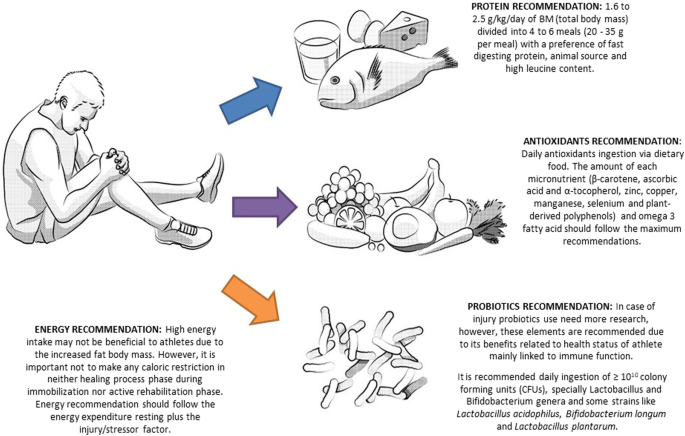
When your body experiences an injury — whether it’s a sprain, muscle tear, ligament injury, or post-surgical trauma — it enters a healing phase that requires increased energy, protein, vitamins, and minerals.
Without proper nutrition:
- Recovery slows down
- Inflammation increases
- Muscle loss accelerates
- Risk of re-injury rises
Proper nutrition supports patients undergoing physiotherapy treatment in Richmond Hill by enhancing tissue repair and reducing recovery time.
Key Nutrients That Speed Up Injury Healing
1. Protein – The Foundation of Tissue Repair
Protein provides amino acids that rebuild muscle fibers, tendons, and ligaments. After an injury, protein needs increase significantly.
- Lean meats
- Fish
- Eggs
- Greek yogurt
- Plant-based proteins
Patients recovering from sports injuries or undergoing Massage Therapy Richmond Hill benefit from adequate daily protein intake.
2. Vitamin C – Collagen Production Booster
Vitamin C is essential for collagen formation, which repairs ligaments and tendons.
- Oranges
- Strawberries
- Bell peppers
- Broccoli
3. Omega-3 Fatty Acids – Natural Anti-Inflammatory
Omega-3s reduce excessive inflammation while allowing healthy healing processes to continue.
- Salmon
- Chia seeds
- Walnuts
- Flaxseeds
4. Zinc & Magnesium – Cellular Recovery Support
These minerals assist in wound healing, immune support, and muscle recovery.
5. Vitamin D & Calcium – Bone Repair
For fractures and bone injuries, vitamin D and calcium are critical for proper bone remodeling.
Nutrition and Inflammation Control
Inflammation is necessary in early injury stages but prolonged inflammation delays healing. An anti-inflammatory diet supports physiotherapy recovery in Richmond Hill patients.
Foods to Limit:
- Processed foods
- Refined sugar
- Excess alcohol
Foods to Prioritize:
- Leafy greens
- Berries
- Fatty fish
- Olive oil
- Nuts
Hydration and Recovery
Dehydration reduces blood flow and nutrient transport to injured tissues. Staying properly hydrated enhances the effectiveness of your physiotherapy sessions.
Muscle Loss Prevention During Recovery
Immobilization after injury often leads to muscle atrophy. Proper nutrition combined with guided rehabilitation at Chiropractor Richmond Hill services can minimize muscle loss and improve functional outcomes.
Combining Nutrition with Physiotherapy for Faster Results
At Toronto Wellness & Physio Center, our integrated approach combines:
- Personalized physiotherapy treatment
- Manual therapy
- Massage therapy
- Exercise rehabilitation
- Recovery education including nutrition guidance
When patients optimize their diet while attending physiotherapy in Richmond Hill, recovery outcomes significantly improve.
Frequently Asked Questions (FAQ)
How much protein do I need after an injury?
Most adults recovering from injury require approximately 1.2–2.0 grams of protein per kilogram of body weight daily.
Does sugar slow down injury healing?
Excess sugar can increase inflammation and delay tissue repair, potentially slowing recovery.
Can supplements help with injury recovery?
Supplements like protein powder, vitamin D, omega-3, and zinc may support recovery, but they should complement a balanced diet.
How long does nutrition impact healing?
Nutrition influences every stage of healing, from initial inflammation to final tissue remodeling.
Should I change my diet while doing physiotherapy in Richmond Hill?
Yes. Adjusting your diet to support tissue repair can enhance the effectiveness of physiotherapy treatment.