Looking for an osteopath in North York? Osteopathic manual therapy may help with back pain, neck pain, headaches, sciatica-type discomfort, joint stiffness, posture-related pain, and mobility limitations.
Osteopathy is a hands-on approach that helps improve mobility and reduce discomfort by addressing how your muscles, joints, and posture work together. Get a personalized assessment and practical plan to help you move better and feel better.
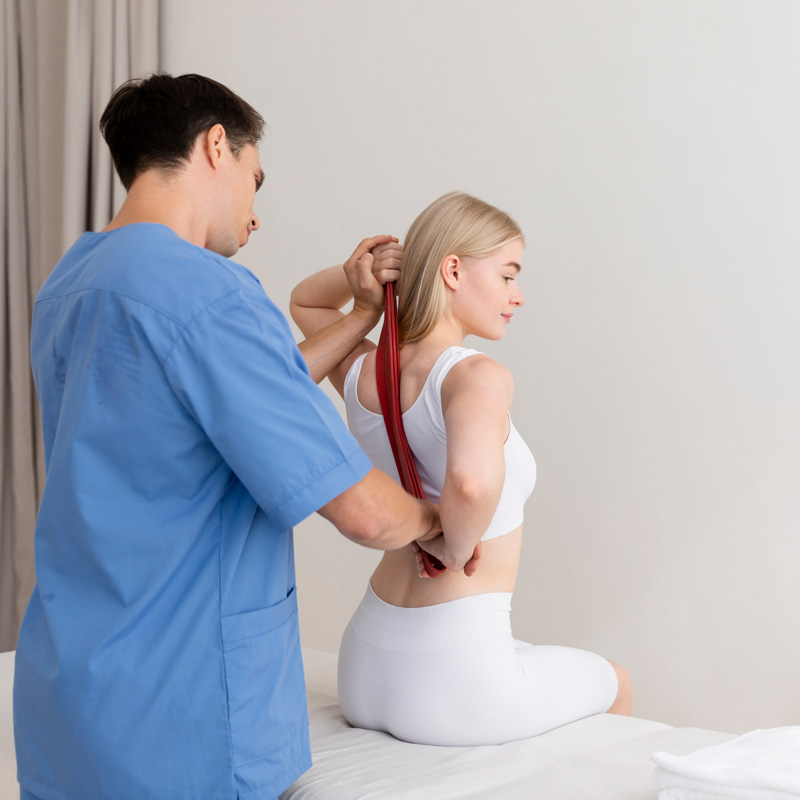
Osteopathy in North York is a hands-on form of manual therapy that focuses on how your muscles, joints, fascia, and posture work together. The goal is to improve mobility, reduce tension, and support better movement patterns—so daily activities like sitting, walking, lifting, and exercising feel easier and more comfortable.
Osteopathic manual practitioners use gentle techniques that may include soft tissue therapy, joint mobilization, myofascial release, and cranial osteopathy when appropriate. Your care plan is based on a full assessment and is tailored to your symptoms, lifestyle, and goals.
Osteopathy is commonly used for concerns such as back and neck pain, joint stiffness, headaches, posture-related discomfort, and sports or work-related strain. Many people choose osteopathy because it’s non-invasive, individualized, and focused on long-term function—not just short-term symptom relief.
If pain, stiffness, or recurring tension is limiting your day, osteopathy in North York can help you move more comfortably. Osteopathic manual therapy focuses on improving how your muscles, joints, and connective tissues work together—so everyday activities like sitting, walking, lifting, and exercising feel easier.
At Toronto Wellness & Physio Center, our osteopathic manual practitioners provide one-on-one, hands-on care using gentle techniques such as soft tissue therapy, myofascial release, joint mobilization, and cranial osteopathy when appropriate. Your treatment plan is built around your assessment findings and your goals—not a one-size-fits-all routine.
Osteopathy is a hands-on approach that can help reduce discomfort, improve mobility, and support better movement patterns. Many people in North York choose osteopathic manual therapy when pain or stiffness is affecting daily life, work, or exercise.
• Reduced muscle and joint tension (neck, back, shoulders, hips)
• Improved mobility and flexibility for everyday movement
• Less pain and stiffness with sitting, standing, lifting, and walking
• Better posture support and movement control (especially for desk-work discomfort)
• Support for headaches and tension patterns related to neck and upper back tightness
• Recovery support after sports or work-related strain (with a guided plan)
• Better sleep comfort by reducing physical discomfort and tightness
• Gentle, individualized care that can be adapted during pregnancy and postpartum (when appropriate)
Your plan may include hands-on treatment plus simple mobility and home strategies to help maintain results between visits.
Osteopathy is based on four core principles that guide treatment and healing:
At Toronto Wellness & Physio Center, our osteopathic practitioners apply these principles to provide holistic, hands-on treatment for pain relief, mobility, and overall well-being.
Osteopathic manual therapy in North York may help reduce pain and stiffness and improve mobility when symptoms are related to muscles, joints, posture, or movement patterns. Your osteopath will assess what’s contributing to your discomfort and build a personalized plan.
Osteopathy can help with recovery from strains, sprains, and overuse injuries by reducing muscle tightness, improving joint mobility, and supporting better movement mechanics so you can return to activity safely.
For joint stiffness and persistent aches, osteopathic manual therapy may help improve mobility, reduce surrounding tension, and support easier daily movement alongside an active home plan.
Osteopathy is commonly used for spine and shoulder discomfort related to posture, muscle tension, or restricted joint movement. Treatment aims to reduce pain triggers and improve how you move.
Osteopathy may help manage sciatica-type symptoms by addressing muscle tension, joint stiffness, and movement patterns that can irritate the low back. It’s not a replacement for medical care when symptoms are severe, worsening, or include significant numbness/weakness.
If headaches are linked to neck/upper-back tension, posture, or jaw/shoulder tightness, osteopathic manual therapy may help reduce those contributing factors and improve comfort.
For long-standing pain, osteopathy can focus on mobility, nervous system “guarding” patterns, and gentle progression of movement—helping you build tolerance and reduce flare-ups over time.
Jaw tension often connects with the neck, shoulders, and posture. Osteopathy may help by reducing surrounding muscle tension and improving mechanics that contribute to jaw discomfort.
After accidents (including whiplash-type injuries), osteopathy can support recovery by improving mobility, reducing muscle tightness, and helping you return to normal movement gradually.
After accidents (including whiplash-type injuries), osteopathy can support recovery by improving mobility, reducing muscle tightness, and helping you return to normal movement gradually.
Osteopathy can be adapted for pregnancy-related discomfort such as low-back pain, rib tension, hip tightness, and posture changes—using gentle techniques appropriate for each stage.
When cleared by your physician, osteopathy may support recovery by improving mobility, reducing protective tension, and helping you rebuild comfortable movement patterns.
Foot pain can be influenced by calf tightness, ankle mobility, and walking mechanics. Osteopathy may help by addressing those factors and supporting a better return to walking/exercise.
Osteopathy can support shoulder rehab by improving joint mobility and reducing compensations in the neck/upper back, often paired with targeted mobility and strengthening guidance.
For wrist/forearm symptoms, osteopathy may help by addressing soft tissue tightness, posture, and upper-body mechanics that contribute to nerve irritation. If symptoms are severe or worsening, medical assessment is important.
Ready to move with less pain and stiffness? Book a one-on-one osteopathy appointment in North York for back or neck pain, joint stiffness, posture-related discomfort, headaches, or sports/work strain. We’ll assess what’s driving your symptoms and create a clear plan to help you improve
Skilled Osteopathic Manual Practitioners
Osteopathy requires a detailed understanding of movement, posture, and joint mechanics. Our osteopathic manual practitioners provide hands-on care focused on reducing pain triggers and improving mobility with a clear, structured plan.
Evidence-Informed, Practical Approach
We focus on what helps you move and feel better. Along with hands-on treatment, you may receive mobility guidance and simple home strategies to support lasting results between visits.
Personalized Treatment Plans
Your symptoms, lifestyle, and goals guide your care. We build a step-by-step plan for concerns like back and neck pain, joint stiffness, headaches, and sports or work-related strain—so treatment fits your routine and progress is easy to track.
Comfortable, Professional Environment
You’ll be treated in a calm, private setting with clear communication. We explain what we’re doing and why, and we adjust intensity and techniques to your comfort at every step.
Gentle, Non-Invasive Manual Therapy
Osteopathic manual therapy is hands-on and non-invasive. Techniques may include soft tissue work, myofascial release, joint mobilization, and cranial osteopathy when appropriate—selected based on your assessment and comfort level.
Convenient North York Appointments
Get osteopathy in North York with appointment options designed for busy schedules. We make it easy to start care, stay consistent, and build long-term improvements in movement and comfort.
Looking for an osteopath in North York? Osteopathic manual therapy may help with back pain, neck pain, headaches, sciatica-type discomfort, joint stiffness, posture-related pain, and mobility limitations.
Osteopathic manual therapy can be worth trying if your pain feels related to muscle tightness, joint stiffness, posture, or movement patterns. Many people choose it for hands-on care plus mobility guidance. If you have worsening pain, significant weakness/numbness, or red-flag symptoms, get medical assessment first.
Osteopathy is typically hands-on manual therapy focused on mobility, soft tissue tension, and how joints and posture work together. Chiropractic often emphasizes spinal/joint adjustments, while physiotherapy commonly combines exercise rehab with manual therapy and progressions back to activity. The “best” choice depends on your symptoms and goals—some people benefit from a combined approach.
You’ll review your symptoms, health history, and goals, then your practitioner assesses posture, movement, and the areas contributing to pain or stiffness. Treatment may start the same day with gentle hands-on techniques and you may receive simple home strategies (mobility or movement tips) to support results between visits.
It depends on how long you’ve had symptoms, your activity level, and whether there’s a recurring trigger (desk work, lifting, training load). Some people notice change within 1–3 visits, while persistent issues may need a short treatment block plus home work. After the assessment, your practitioner should give you a clear plan and timeline.
Osteopathy is usually gentle and can be adapted to your comfort level. Some techniques may feel like pressure or stretching, but it shouldn’t feel sharp or unsafe. “Cracking” isn’t required—tell your practitioner your preferences and they can use non-thrust techniques if you want.
Look for clear communication, consent, a proper assessment, and a plan you understand. Green flags are realistic expectations, progress tracking, and home guidance. Red flags include guaranteeing a cure, pushing long prepaid plans without reassessment, or treating serious symptoms without advising medical follow-up when needed.

