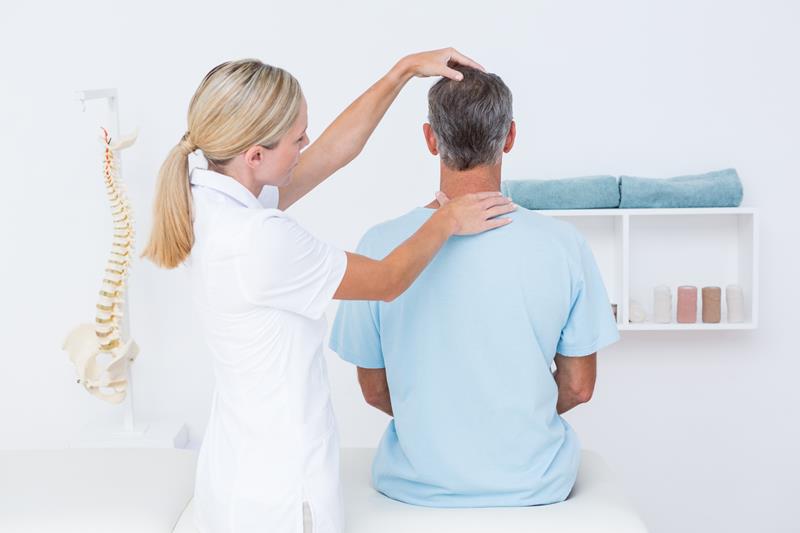
If you’re weighing a Registered Massage Therapist (RMT) session against a spa relaxation massage, start by deciding what outcome you want. For goal-driven care with assessment and insurance-ready receipts, book Massage Therapy in Richmond Hill
—you’ll work with regulated RMTs who evaluate, treat, and track your progress
What exactly is an RMT—and why does the title matter?
In several Canadian provinces, RMT is a regulated healthcare title. RMTs complete extensive training, pass competency exams, and adhere to standards of practice. In the room, that means your visit starts with history, screening, and goal setting, not just picking a pressure level. The purpose is clinical change—less pain, better range of motion, improved function—supported by notes and simple home care.
Spa massage: what experience are you buying?
A spa session is built around sensory relaxation: calm lighting, warm tables, soothing music, and flowing techniques. You’ll usually get long, continuous table time and leave feeling looser and mentally reset. What you typically won’t get is clinical assessment, re-testing, or a plan to change a specific movement pattern. That’s why many people alternate: spa for decompression, RMT for results.
Do I need a doctor’s note for RMT coverage?
Most plans don’t require a prescription, but some still do. What always matters is an RMT receipt with the therapist’s name, registration number, date, duration, and fee. If you book inside a spa, only the RMT-provided portion is usually eligible. Keep add-ons (steam room, champagne, wraps) itemized separately so your claim isn’t dinged.
Why does “deep tissue” feel different with an RMT?
With an RMT, depth is targeted and selective—applied where testing suggests it will change tissue tone, glide, or joint play. You’ll often see a quick reassessment (e.g., retesting shoulder rotation) to confirm effect. At a spa, “deep tissue” generally means firmer pressure for relaxation across broad regions. Both can feel great; only one is designed to solve a specific problem.
Hands-on time: will an RMT session include intake?
Yes, and that’s intentional. Your booked time may include history, consent, assessment, treatment, and brief home care so improvements last. Some people prefer the spa model because it maximizes on-table minutes and minimizes Q&A. Choose the format that fits your goal: diagnostics and change (RMT) vs. uninterrupted wind-down (spa).
Costs and reimbursement: what to expect
Around the GTA, RMT sessions commonly run ~$100–$140/60 min (clinic and add-ons vary). Plans can cap reimbursement to a “customary” rate, so if a luxury venue charges much more—even with an RMT—your payout may be limited. Spa pricing swings widely and is typically out-of-pocket plus tip. If you’re rehabbing an injury or chasing performance, pair massage with Physiotherapy in Richmond Hill so your care team coordinates assessment, loading, and soft-tissue work.
Should I tip an RMT?
In clinical settings, tipping isn’t expected (some clinics decline it). Showing up consistently, doing your home care, and leaving a thoughtful review are great ways to say thanks. In spas, tipping is customary (often 15–20%). When unsure, follow the venue’s norms.
Can a spa claim be submitted as an RMT treatment?
Only if an RMT actually performed the treatment and the receipt shows their registration number. If a non-RMT provided the service, enjoy it as relaxation—but don’t expect benefits to cover it. Asking staff to re-label a service risks claim denial and puts the therapist in an ethical bind.
Verifying your therapist is truly an RMT
Legitimate RMTs list their registration number on notes and receipts and are searchable in their province’s public register. If you’re booking at a spa and want coverage, confirm the specific practitioner is an RMT and that their credentials will appear on the receipt at checkout. For stubborn tendon pain, your RMT can coordinate with Shockwave Therapy —useful when soft-tissue work alone isn’t enough.
Which should I book for headaches, sciatica, or desk-shoulder pain?
When symptoms repeat, limit activity, or wake you at night—book RMT. Expect assessment-led, targeted work plus simple exercises (breathing drills, mid-back mobility, postural tweaks) to extend results. For stress, sleep, and mood, book a spa massage. Many people do both: short RMT blocks to make progress, then monthly spa for recovery and mental health.
Short Comparison Table
| Key Thing | RMT (Clinical) | Spa Massage (Relaxation) |
|---|---|---|
| Status | Regulated health professional | Typically not a regulated title |
| Main Goal | Assess → treat → improve function | Unwind, de-stress, full-body ease |
| Techniques | Targeted (trigger point, myofascial, mobilizations) | Swedish, hot stone, aromatherapy |
| Time Use | Intake + testing + treatment + home care | Maximize table time |
| Coverage | Often benefits-eligible | Usually out-of-pocket + tip |
| Best Fit | Injuries, chronic tension, ROM limits, sport | Stress relief, sleep, pampering |
How to choose in 30 seconds
- Pick RMT if you can point to a problem (pain spot, stiff motion, recurring tension) or want measurable change.
- Pick spa if you want a calming reset with longer continuous hands-on time.
- Use both to get results and relaxation: RMT in focused blocks, spa monthly for recovery and mood.
Conclusion: Choose by outcome, not by venue
If your goal is lasting change—less pain, better mobility, a plan to stay active—start with an RMT. If your goal is nervous-system calm and reset, book a spa. Most people benefit from a hybrid: targeted RMT care to solve problems, balanced with periodic spa sessions to reduce stress and improve sleep